The plan only holds if it can survive the year you didn't see coming.
Pensions, savings and investments all assume your income keeps arriving. Protection is what holds the plan together if it doesn't.
Top 100Financial Advisors 2025
4.4 Excellent on Trustpilot


What protection actually covers.
Four different risks. Most people have the wrong amount of cover for at least one.
Protection isn't one product. It's a set of tools for different situations: needing treatment, becoming too ill to work, losing your income, or dying. Most people either have none of it, or the wrong amount for what they actually need.
Life insurance
A lump sum or income for the people who depend on you, if you die. Set to what they'd need.
Income protection
A regular income if illness or injury stops you working. The FCA say only 6% of UK adults have it.
Critical illness cover
A lump sum if a serious illness is diagnosed. Could clear debts or buy time while you recover.
Health insurance
Access to private diagnosis and treatment when you need it. Not instead of the NHS, a way to be seen sooner.


The state safety net is thinner than people assume
Most people assume that if they couldn't work, the state would catch them. It does, just not by much.
In 2026 statutory Sick Pay is £116.75 a week, and it lasts 28 weeks
After that the safety net is Universal Credit, which pays considerably less.
For most households, that's nowhere near a mortgage, let alone everything else.
This isn't a criticism of the system. It's the reason protection exists: to cover the gap between what the state provides and what your household needs to keep going.


Most people get the amount wrong, not the idea.
Almost everyone agrees, in principle, that protecting your income and your family makes sense. Where it goes wrong is the amount.
Too little, and a policy that looks reassuring on paper leaves a real gap when it's needed: not enough to clear the mortgage, not enough to replace the income that's gone.
Too much, and you're paying every month for cover you didn't need, money that could have been working elsewhere.
Getting the figure right means looking at what you owe, what your household spends, and what your employer already provides. Not a multiple of salary that ignores all three.


Whole of market. The right cover, not the most cover.
We're not tied to any insurer. We search the market for the policy that fits.
We check what you already have before recommending anything new. Many pay for overlapping cover, or have a gap nobody pointed out.
When it's needed, insurers pay. £5.73 billion in 2024, average claim £18,700 (ABI). The real risk is too little cover, or none.
Reviewed regularly. What you need at 30 isn't what you need at 50.
FAQs
The protection questions people ask.
From First Call to the right cover.
Three steps. That's all there is.

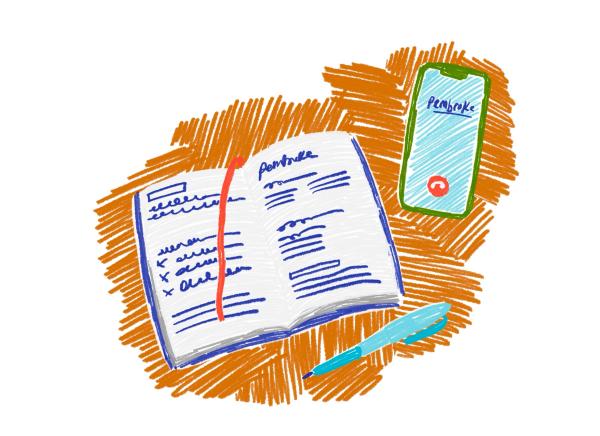
Talk to us
One call. No obligation. Tell us what you're worried about and what cover you already have. We'll tell you honestly what's missing.


See the plan
The right cover, at the right amount, for what you actually need. Not the most. Not the cheapest. Every recommendation explained, every cost named.


Get on with living
We stay across it. Tax rules change. Family circumstances shift. We check in regularly to make sure the plan still reflects what you want.
The right cover starts with the right conversation.
Tell us a little about yourself. One of our advisors will be in touch within one working day.
30 minutes, by phone or online.
No pitch. No pressure. No paperwork.
A real person, within one working day.
Top 100Financial Advisors 2025
Book a call
Submit the form and pick a time that works for you.
Independent financial planners across the South East




Godalming
Phone: 01483 427366


Haywards Heath
Phone: 01444 405160



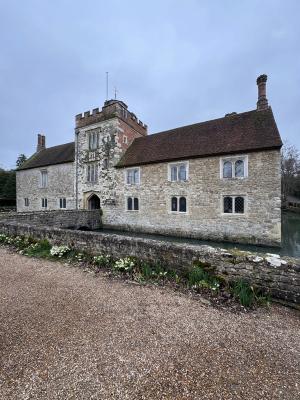


Uckfield
Phone: 01825 766130

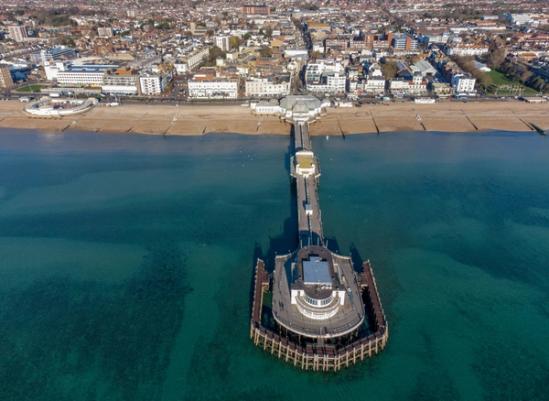
Worthing
Phone: 01903 259200